

I wanted to inaugurate this new post category, which will be dedicated to the various wood species I employ in my creations, by explaining very clearly my strict wood sourcing and usage policies.
I love wood, and chances are if you are reading these lines that you too are fond of this wonderful material. It’s beautiful, it’s timeless, it’s natural, but above all it can be a renewable resource if managed in a sensible way.
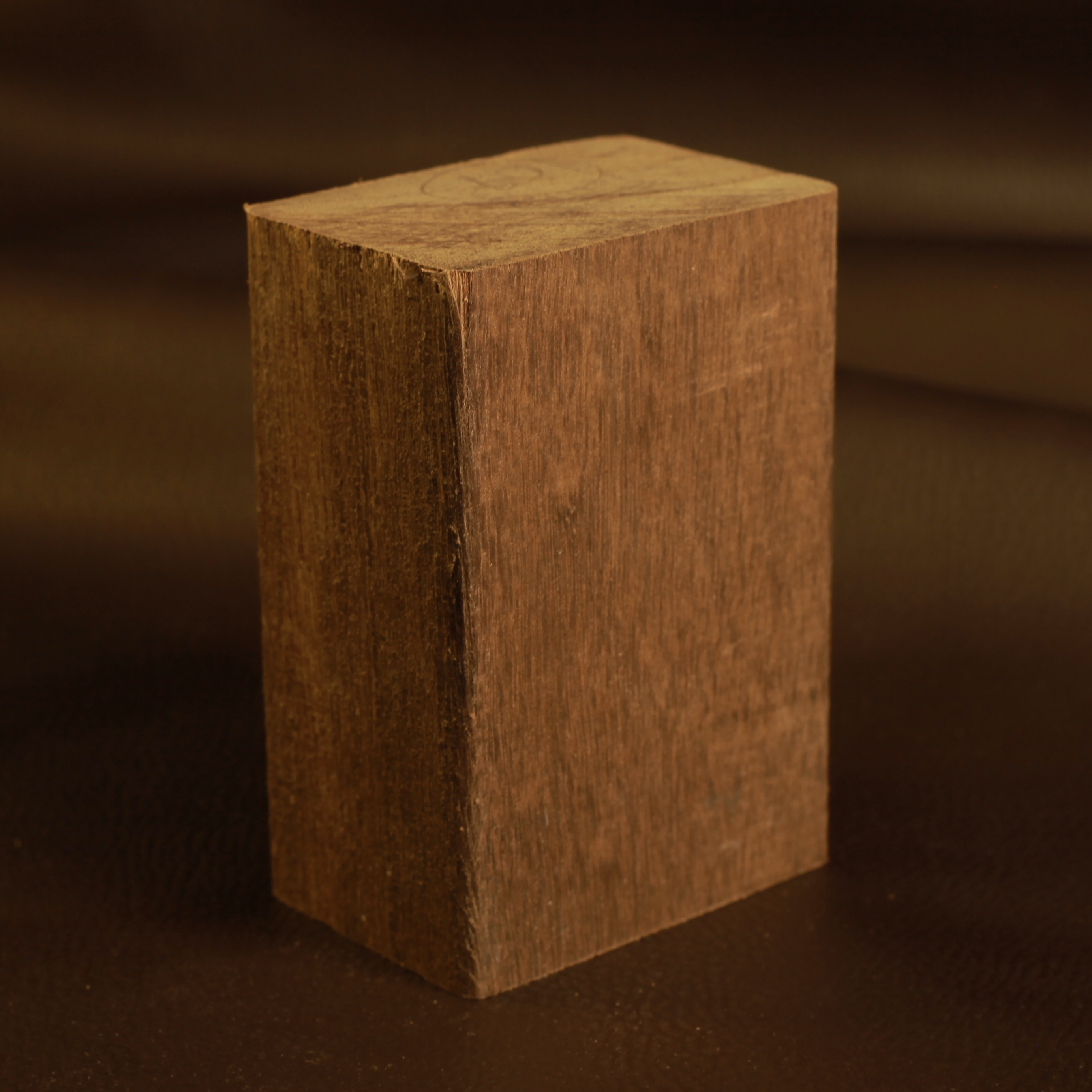
The keyword here is “managed”. In France, where I live, we no longer have any primary forest, meaning it all has been altered, harvested and replanted by humans, through a long and fascinating history spanning over 9 centuries.
We now have what is called a managed eco-forestry system, with a complex code of conduct and a long-term strategy and vision.
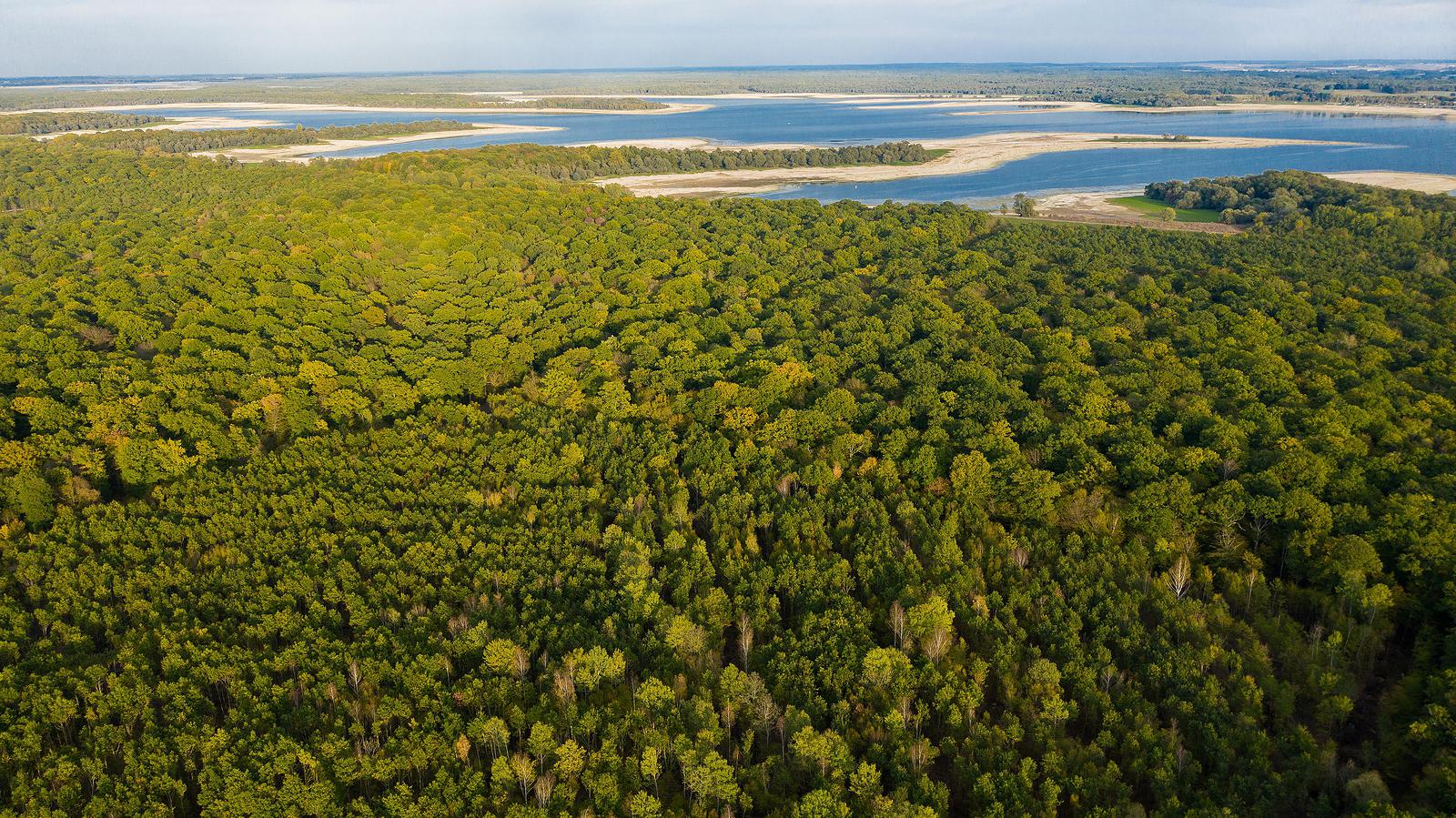
We came dangerously close to over-exploitation of our forests in the past. Between centuries of waging wars to our neighbors, and the tremendous amount of wood required to become one of the major maritime powers of the time (some sources say that between 3000 and 4000 centuries-old great oak trees were required to build a single ship) the demands and strain on the resource could have become simply unbearable.
But thanks to rigorous planning and State involvement, the deforestation trend reversed and we are now an important producer and exporter of high quality wood renowned worldwide.
I will try to elaborate more on that topic in future posts, notably by detailing the main species we produce.
I love wood, but the last thing I would want given the challenges we are facing on a planetary level with climate change, would be to contribute to the reckless destruction of habitats and natural ecosystems on the other side of the planet like in Africa or South America. But I’m clearly just a drop in the ocean, then what can I do at my level?
So first of all, my philosophy is to refuse completely to use any wood that is threatened by extinction. The IUCN publishes the so-called red list, it implements a conservation status ranking system ranging from LC (least concern) to EX (extinct in the wild):
For instance, on this wikipedia page for Amboyna which you might have heard of, mostly in burl form, you can see that it’s listed as EN (endangered) and for me that’s a no-go:

My policy is that any wood listed as threatened (so all statuses below NT, near-threatened) will not be offered for sale.
Evidently this red list is far from perfect, and is not static by any mean and for many species the trend is not looking good, so it will be monitored and any status change in the wrong direction would force me to remove the species from the catalog completely.
There are enough readily available species to chose from anyway, literally hundreds of them . So it’s not that much of big deal if some specific over-harvested exotic woods are not available!