

Part one and two can be found here, for reference.
This time we will see with a concrete example how the IUCN Red List can only serve as a starting point at best, when in reality the problem can be much more complex than it appears and is full of pitfalls.
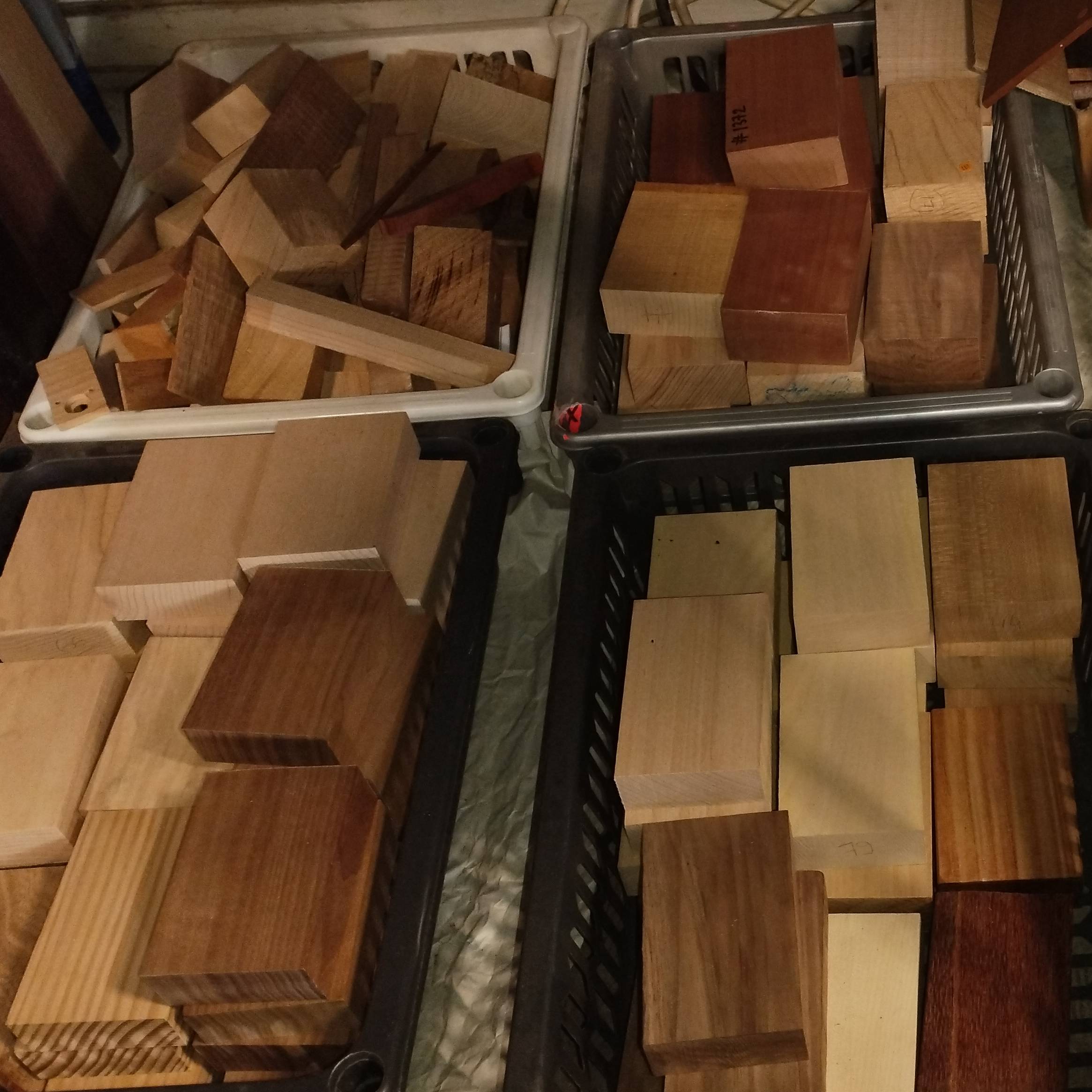
Navigating the wood trade is more involved than just ensuring the conservation status meets the limits you set or that the wood supply chain is certified. And when you are only a small fish, being just the last link at the end of that long and complex chain, your agency is limited: either you fully trust your supplier and their claims, or you try to find someone more open and trustworthy.
It is easy when dealing with indigenous species, locally grown in your democratic country with a legal framework in place and proper control and enforcement means. But it is a wholly different story when dealing with exotic species imports, with potentially many more intermediaries involved, that originated from or just transited through countries with sometimes extreme poverty, instability and widespread corruption.
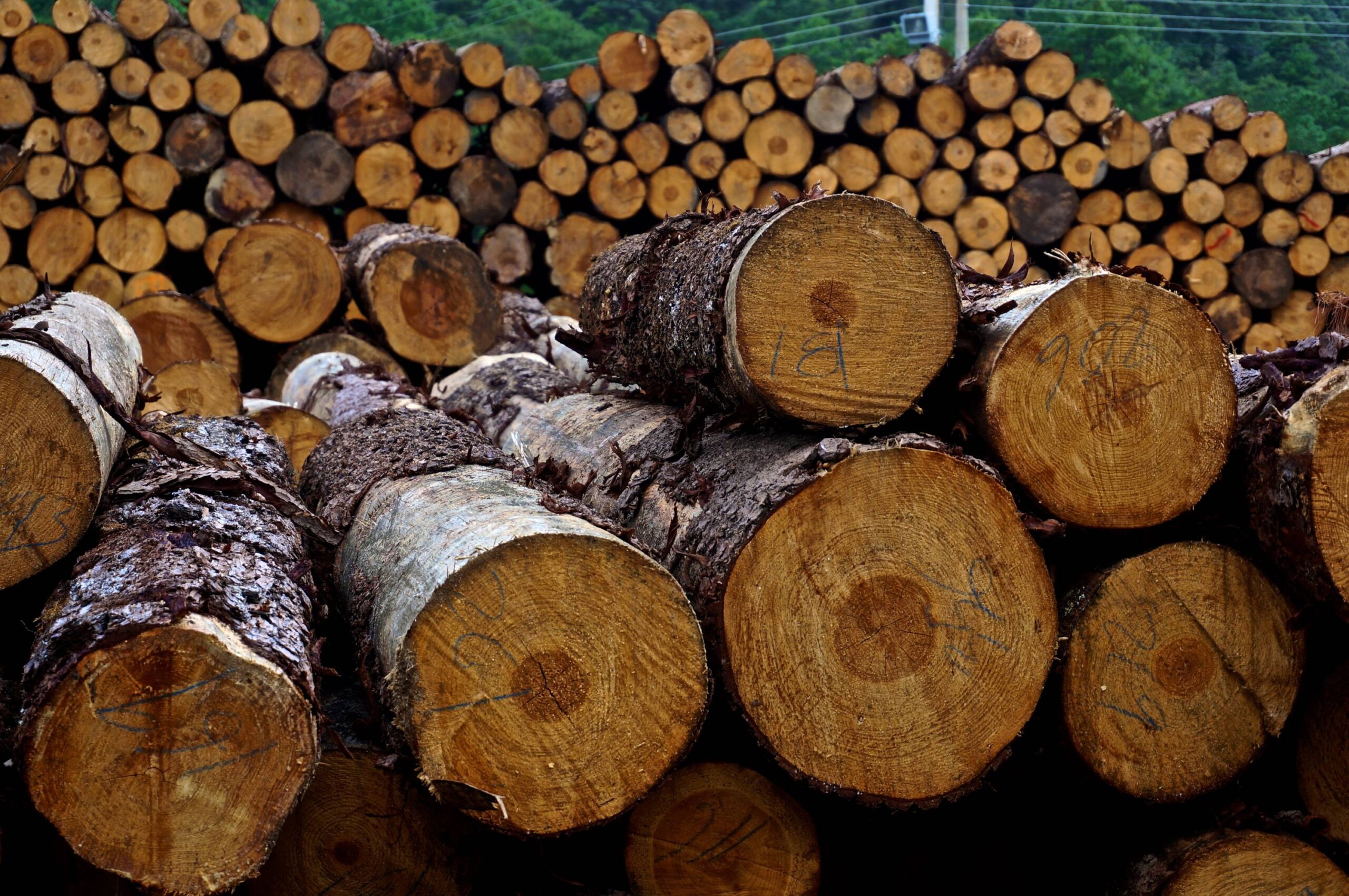
– credit @Reem Hajjar / Oregon State University [CC BY-SA 2.0]
I have always been fascinated by African Blackwood (Dalbergia melanoxylon), known locally as Mpingo, and elsewhere as Grenadilla or Mozambique Ebony. It is a fascinating yet very challenging wood (notably due to its extreme density), which I even prefer over True Ebonies.
It is one of the most expensive woods in the world, and has been traditionally used for wind instruments making (clarinets and bagpipes etc.).
African Blackwood is part of the True Rosewoods genus (Dalbergia spp.) which contains some of the most prestigious precious woods, including Brazilian Rosewood and Cocobolo to name a few. The majority of which have been victims of their success unfortunately.
So what does the Red List have to say about it?
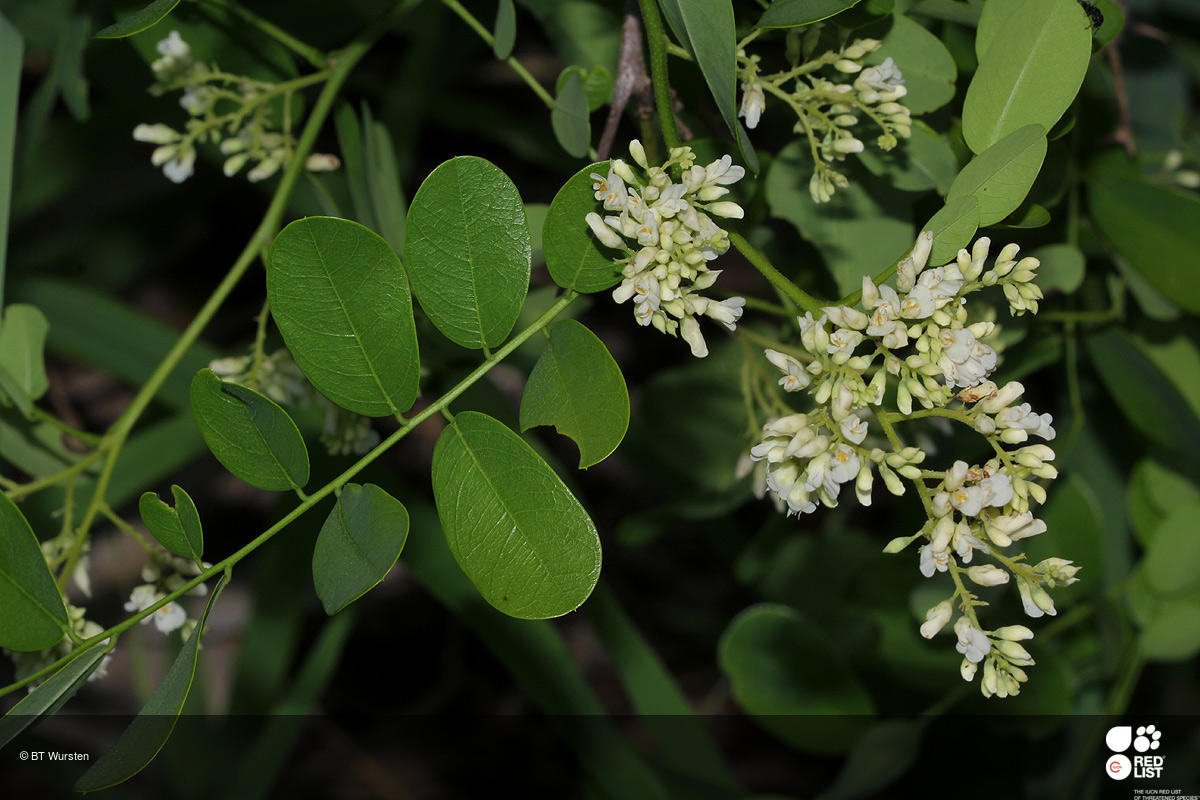
With a NT status (near threatened), we are at the lower limit of what I deem acceptable, so we should be good, right? But are we really sure about that?
Well, the devil is in the details! If you read the Red List fine prints, you can find this sentence : “The species has been nationally assessed as Least Concern in South Africa and Zimbabwe, Vulnerable in Malawi, Zambia and Uganda.”
This tells us already that knowing the exact botanical name is not sufficient information, the country of origin is equally important! Given the above citation we know that we must be very careful where we source it from, and that at least 3 origins must be avoided if we want to respect our conservation status criteria.
You could also be agreeably surprised to discover the LC status for Zimbabwe, until you read elsewhere on the assessment page: “The species was still considered abundant in Zimbabwe, as it was not of desirable quality.” Smaller diameter individuals are left alone, at least for now, thankfully.
I have personally decided to stop using any supplier that was not able to certify their woods origin. For some of them, it is just a detail apparently. For me it makes all the difference.
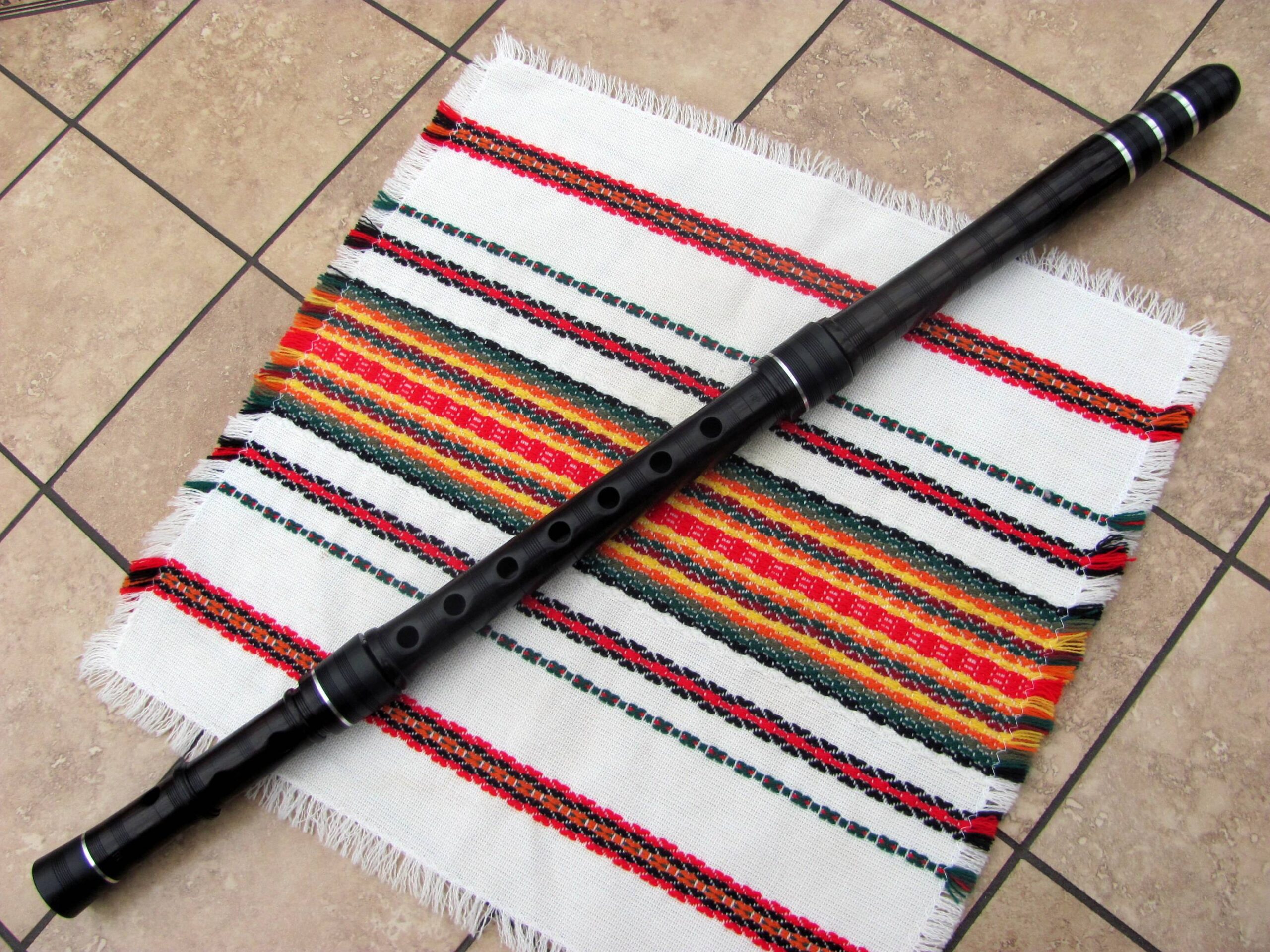
– credit @Radoslav Paskalev [CC BY-SA 3.0]
I do own exactly two blanks of African Blackwood at the moment, and they came from a very reputable supplier in Germany, established in 1919. Being close to a major port, they are a direct importer, which helps with traceability as they handle all compliance and paperwork, and there are less intermediaries.
My blanks come from Mozambique, one of the largest exporters of this species alongside Tanzania. So far so good, they likely fall under the NT status, right? Well it turns out we have only scratched the surface so far, and what we uncovered below is not pretty at all.
This article is getting too long, we will continue in the next episode. But those of you having really taken the time to read the assessment fine prints will likely have elements of answers already…